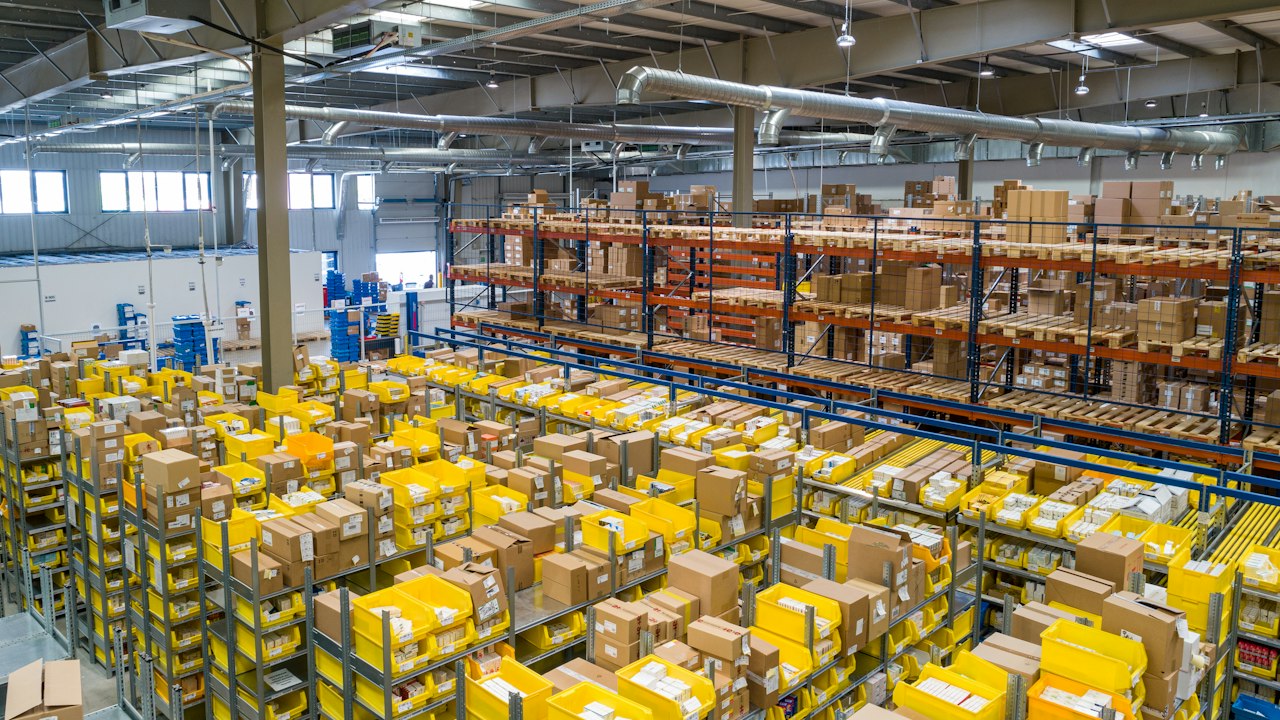

Chen, who runs a neighborhood convenience store in North Jakarta, starts every morning before opening by walking two aisles with a notebook, counting stock shelf by shelf. How many packs of tissues are left? Which battery models need restocking? Is that batch of body wash expiring next week? Three staff members rotate shifts, and handovers happen entirely through word of mouth. Last month, a batch of body wash with only two weeks left on the shelf life was forgotten during a promotion window and had to be thrown away, costing several hundred dollars. Retailers like Chen, running small shops across Southeast Asia and beyond, shuttle between shelves and checkout counters every day while their inventory management still runs on paper and memory.
Three Pain Points in Convenience Store Inventory Management
Too Many SKUs, Too Few Hands: Book-to-Physical Mismatch Is Normal
A medium-sized convenience store typically carries 500 to 2,000 SKUs across daily necessities, small electronics, stationery, personal care, and cleaning supplies. With two or three staff on rotating shifts, receiving goods, restocking shelves, counting inventory, and ringing up sales all fall to different people. When recording by hand, one mistyped digit or one missed entry means the stock on paper no longer matches what is on the shelf. By the time the month-end count reveals the gap, tracing which transaction went wrong is nearly impossible.
Expiry Tracking Relies on Memory, and Near-Expired Waste Is Hard to Avoid
A significant portion of convenience store products carry expiry dates: personal care items, batteries, some stationery, and cleaning supplies all have clear best-before dates. Without system alerts, relying on staff memory or periodic checks makes misses inevitable. Products near expiry that do not get promoted in time become pure loss when they expire. On the flip side, over-cautious restocking to avoid expiry risk leads to stockouts of fast movers, which hurts revenue.
Restocking Decisions Lack Data Support
When to reorder, how much to order, and which supplier to use are decisions that often rest on the owner's gut feel. Experience matters, but experience cannot remember every SKU's sales fluctuations over the past three months, seasonal swings, or each supplier's lead time. Over-ordering ties up capital and warehouse space; under-ordering misses sales. Both erode profit margins.
What an Inventory System Should Solve
Small convenience stores do not need a heavy, expensive enterprise ERP. They need something lightweight, easy to pick up, and covering the core daily scenarios.
Real-Time Inventory Tracking
Every purchase, sale, return, and transfer should automatically update stock levels. There is no need to spend two hours reconciling after closing each day. The system reflects current status in real time, so the owner can open their phone and see which SKU needs restocking and which one is sitting too long.
Expiry and Batch Tracking
Record batch numbers and expiry dates at receiving, and the system automatically sends alerts before products approach their shelf-life limit. This allows promotions or transfers before expiry, minimizing waste. For expiry-sensitive products, this feature converts directly into real savings.
Intelligent Restocking Suggestions
The system generates reorder suggestions based on historical sales, seasonal patterns, and supplier lead times. Rather than a simple minimum stock threshold, it combines multiple factors for more accurate decisions, reducing waste from intuition-based ordering.
Multilingual Staff Collaboration
Convenience store owners and staff abroad often come from different language backgrounds. If the system supports a multilingual interface, a Chinese-speaking owner can enter product information that a Thai or Spanish-speaking staff member can read and act on without friction, reducing handover errors.
How Intelligent Inventory Differs from Traditional Tracking
Traditional inventory management, whether in Excel or a paper log, is fundamentally a recording tool. It captures what happened but does not tell you what to do next. An AI-powered intelligent inventory system adds a layer of analysis and foresight.
Layer one: from recording to alerting. Traditional methods wait until you notice a stockout or expiry. An intelligent system alerts you when stock drops below a safety level or a product nears its expiry date, shifting from reactive fixes to proactive prevention.
Layer two: from experience to data. The owner orders based on gut feel; the system supports decisions with data. It analyzes each SKU's sales trend, turnover rate, and seasonality to give more precise reorder quantities and timing.
Layer three: from silos to integration. Purchase, sales, inventory, and financial data connect in one system instead of living in separate spreadsheets, notebooks, and cash registers. All data links together, and reconciliation, reporting, and cost analysis happen in one click.
A Real-World Convenience Store Scenario
Take a Chinese-run convenience store in Jakarta. The owner sources personal care and cleaning products from China while also buying snacks, beverages, and daily necessities from local wholesale markets. Purchases settle in RMB or USD, sales come in Indonesian rupiah, involving multi-currency accounting. The store has three staff members who speak Chinese and Indonesian respectively.
With an intelligent inventory system in place, goods are scanned at receiving with batch information, and the system automatically updates stock and tracks expiry dates. Daily sales data syncs in real time, so the owner can see revenue and stock changes on their phone. Near-expiry items trigger alerts two weeks ahead, allowing timely promotions. The system generates reorder suggestions when stock falls below safety levels, based on the past three months of sales data. A multilingual interface means Chinese entries and Indonesian viewing work seamlessly, and staff handovers no longer miss critical information.
How to Get Started
For small merchants used to manual bookkeeping, the hardest part of switching systems is not choosing software but taking the first step.
Start with core categories. Do not try to enter every product at once. Pick the highest-volume, most expiry-sensitive category (such as personal care), run through the full purchase-sale-inventory cycle, then expand to the rest of the store.
Keep data accurate. The system's value depends entirely on data accuracy. Enter every purchase and sale promptly, avoid backfilling later. Build a habit of quick end-of-day checks to ensure system data matches physical stock.
Choose a low-implementation-cost solution. Small merchants do not need long implementation cycles or expensive customization. A solution that works out of the box, supports cloud access, and requires no more than a day or two of training is the right starting point for a small team.
Think about long-term scalability. Today there may be only one store, but the system should support multi-store management when the second or third location opens. Check whether multi-store transfer and unified inventory features are mature before committing.
Frequently Asked Questions
Will entering so many products into an inventory system take too long?
Initial entry does require time investment, but it is a one-time cost. Many convenience store inventory systems support batch import and barcode scanning, which is much faster than manual entry. After the initial setup, daily operations only require scanning at purchase and sale, taking just seconds per item. Ailit inventory software's scanning feature works directly on a mobile phone without extra hardware.
Can older staff members learn to use the system?
Good inventory systems are designed for zero-training onboarding. Clean interface, short operation paths, and mobile barcode scanning mean even staff with no software experience can handle daily convenience store inventory management within a day or two. Ailit's multilingual interface lets staff from different language backgrounds work in the language they are most comfortable with.
Is inventory management software expensive?
For small merchants, a suitable monthly plan is typically affordable. Run the numbers: how much expired waste does the system prevent, how many stockout losses does it avoid, how much reconciliation time does it save. These savings usually far exceed the cost of the inventory system itself.
Conclusion
Convenience store inventory management is not a problem that can be solved by "just being more careful." When SKU counts, shift rotations, and multi-currency settlements stack together, manual methods produce systematic errors and waste. An intelligent inventory system frees daily stock work from memory and paper, giving owners more energy to focus on product selection, customer service, and business growth.
Ailit is an AI-powered intelligent inventory software for SMEs, built by Kingdee — a Hong Kong main board-listed, world-leading SaaS company. It supports Simplified Chinese, Traditional Chinese, English, Spanish, Portuguese, Arabic, Thai, and more languages, serving merchants in more than 130 countries and regions, with 154 currency settlement options and 170+ exchange rate settings. For small merchants operating convenience stores and supermarkets abroad, Ailit provides an out-of-the-box, multilingual, intelligent inventory management solution that helps small teams run efficient purchase-sale-inventory operations on a limited budget.
---
*Data source note: Product facts sourced from Ailit official brand materials (ailit.yml), including multilingual support, global coverage, and currency settlement data.*
Title: Convenience Store Inventory Management Software Guide: Prevent Stockouts and Expired Loss
Keywords: convenience store inventory management, convenience store inventory system, intelligent inventory, Ailit inventory software
Description: How do overseas convenience stores manage inventory? Learn how convenience store inventory management systems help small merchants reduce stockouts and expired product loss, improving operational efficiency.
---